RESEARCH IS
NOT A DOCUMENT.
It's finding out whether something can work — and then proving it with a thing you can hold, switch on and break.
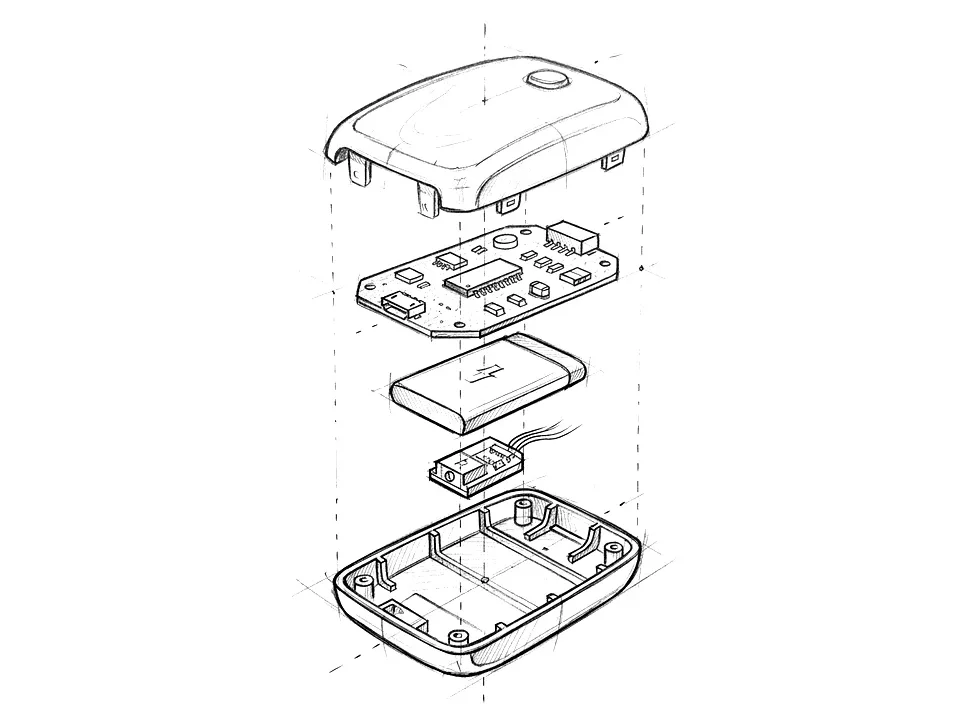
MOST R&D DIES IN A SLIDE DECK.
Studies, feasibility reports, roadmaps — a year of work and still nobody has held the thing. Real research answers a question, and the fastest honest answer usually comes from building the smallest version that can fail.
If an idea can't survive contact with reality, it's cheaper to find that out in weeks than in years.
Exploring things that don't exist yet
The work starts before anyone knows whether it's possible.
The question
What exactly are we trying to find out? Most failed research answers a question nobody needed answered.
What's already known
Existing technology, patents, components, regulations, what competitors quietly tried and abandoned.
The smallest test
A working thing narrow enough to build quickly and honest enough to prove or kill the assumption.
The verdict
Go, change direction, or stop — with the evidence that justifies it. Stopping early is a result, not a failure.
Research fails between disciplines.
An idea can be electronically possible and physically impossible. A brilliant algorithm can need a sensor nobody sells. A working prototype can be impossible to manufacture, or beautiful and uncertifiable.
Those contradictions appear at the seams between specialists — which is exactly where a single mind looking at all of it at once has the advantage.
feasibility · technology selection · electronics · firmware · enclosure and materials · algorithms · AI · data · energy · testing
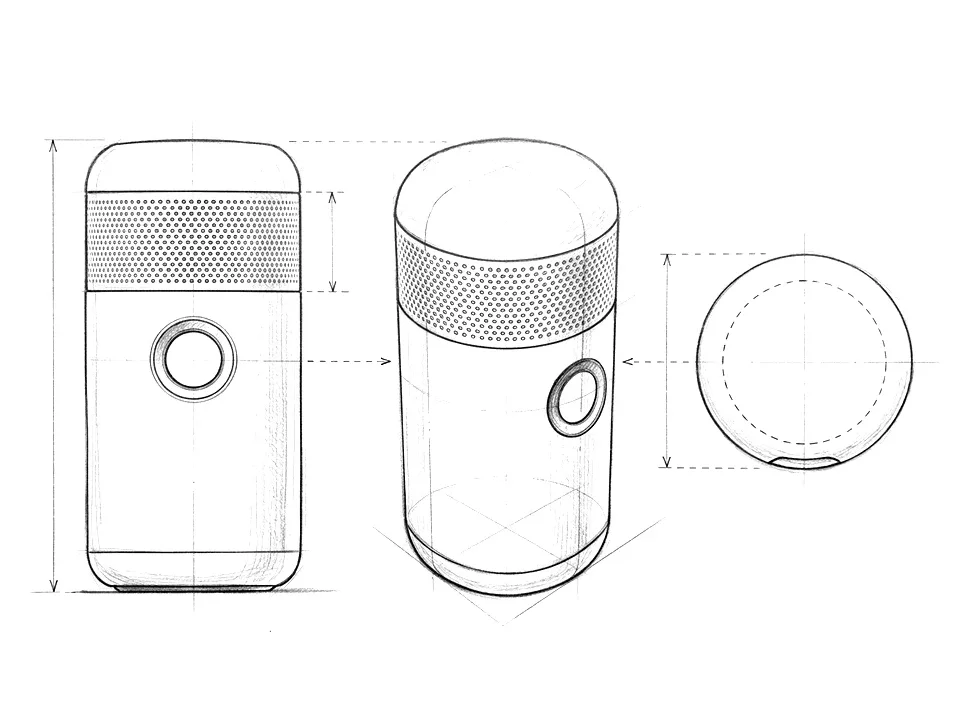
PROOF, NOT PROMISES.
Every product on this site started as an open question: whether an entire home's energy could be treated as one system, whether every device could share a single European IoT layer, whether a beehive could be understood remotely, whether a forecast could correct itself against reality.
Each one was answered by building it.
Before you ask
The short version. Everything else — just ask.
What does R&D cost here?
An exploratory prototype starts from €3,000 excl. VAT. Larger research programmes are scoped around the question being answered, not around a headcount or an hourly rate.
What if the research proves the idea doesn't work?
Then it did its job. Finding out in weeks that something can't work — or shouldn't — is far cheaper than discovering it after a production run.
Do you work on R&D projects with EU funding?
Yes. The work is done from Slovakia under European data and GDPR rules, and can be structured to fit a grant or innovation programme's requirements.
Who owns the results?
You do. The research, designs, source code and documentation belong to the client, and everything stays confidential — an NDA is never a problem.
BRING ME THE QUESTION.
The ones worth answering usually sound impossible at first.
TELL ME WHAT YOU'RE EXPLORINGNo polished brief required. Early conversations stay confidential.